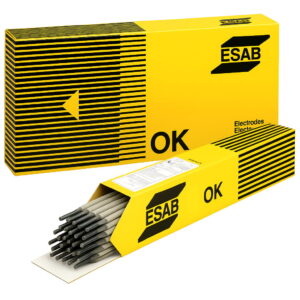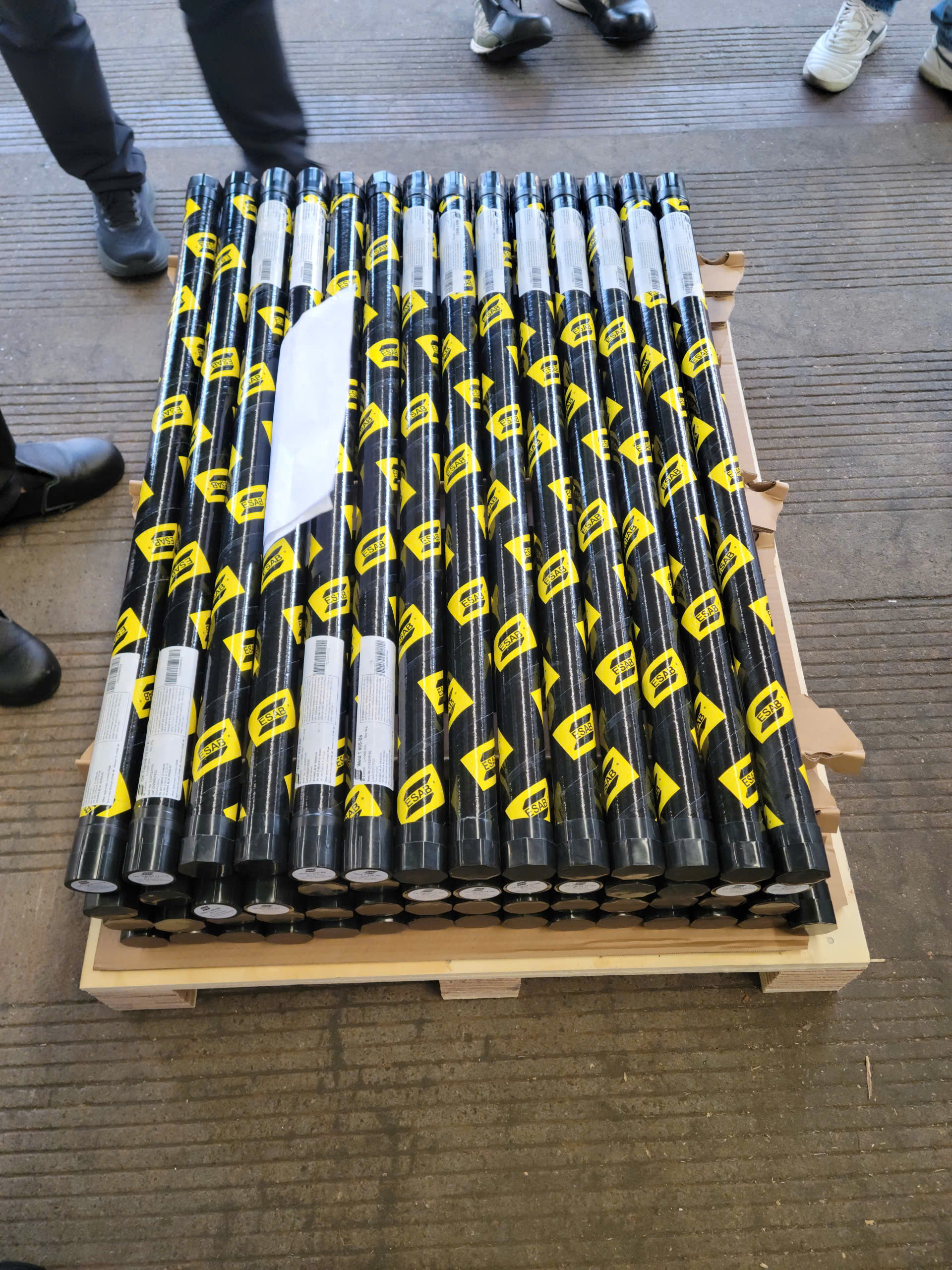
Que hàn NickelRod T NiCrMo-3 2.0mm 5kg – WR00099
14,055,000 ₫
Que hàn NickelRod T NiCrMo-3 2.0mm 5kg – WR00099. Que hàn gốc niken được thiết kế để hàn các hợp kim niken chống ăn mòn dòng 625 như Inconel 625 (UNS N06625, W.Nr. 2.4856) và các hợp kim tương đương. Sản phẩm phù hợp cho các ứng dụng làm việc trong môi trường ăn mòn khắc nghiệt và ở nhiệt độ cao.
Kim loại mối hàn có hàm lượng tạp chất rất thấp, cho khả năng chống ăn mòn tổng thể, ăn mòn kẽ hở, ăn mòn rỗ và ăn mòn liên hạt vượt trội. Có thể sử dụng trong môi trường axit, kiềm, nước biển, môi trường chứa clo và khí ăn mòn ở nhiệt độ cao.
Que hàn thích hợp để hàn các hợp kim niken tương đương, thép siêu austenit, hợp kim sắt–niken và dùng làm lớp hàn chuyển tiếp hoặc lớp phủ chống ăn mòn trên thép cường độ cao.
Nickel-based welding electrodes are designed for welding corrosion-resistant nickel alloys of the Alloy 625 series (UNS N06625, W.Nr. 2.4856), such as Inconel 625, Nicrofer 6020hMo, and similar alloys, operating at extremely low temperatures down to 980°C.
These electrodes have significantly lower iron, sulfur, and phosphorus content compared to ISO and AWS standards. The welded metal exhibits high resistance to application-induced corrosion, intergranular corrosion, pitting corrosion, and crevice corrosion, and can be used for welding parts subject to wet corrosion at temperatures up to 600°C, carbonization and oxidative corrosion at temperatures up to 1000°C, and sediment saturation.
Welding electrodes are used in the manufacture of equipment that comes into contact with inorganic acids such as nitric acid, sulfuric acid, hydrochloric acid, phosphoric acid, various organic acids, alkalis, high-temperature seawater, environments with high chloride ion content, halogens, and hydrogen chloride gas.
These welding rods can also be used to weld nickel alloys such as XNH70Y, XNH78T, 800 and 825 alloys and similar types, corrosion-resistant super austenitic steels with molybdenum content up to 6% such as 0X23N28M3D3T, 254 SMO (e.g., UNS S31254) and similar types, iron-nickel alloys such as XNH32T, X10NiCrAlTi 32 20 (1.4876) and similar types, with limited weldability, as well as to create surface transition layers and anti-corrosion coatings on products made from high-strength and high-strength steels with low carbon and reasonably diamond content.

Sản phẩm tương tự